Which IPTV Service Works Best? | iscreenhd IPTV
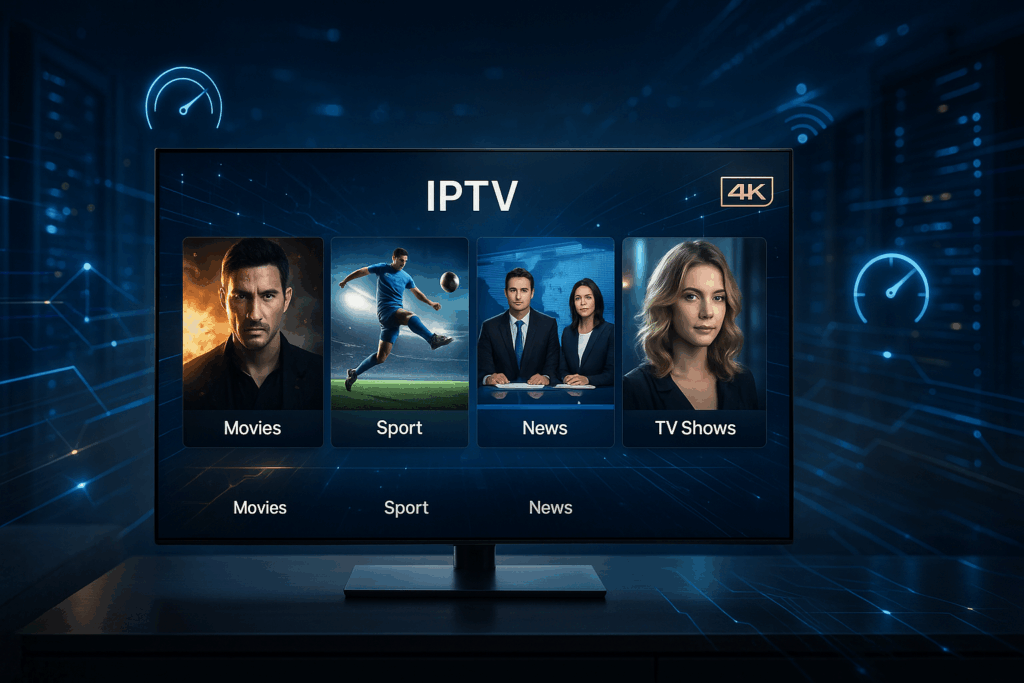
IPTV has changed the way many people watch television. Instead of relying exclusively on traditional cable or satellite services, viewers can stream live TV channels, movies, series, sports, and on-demand content over the internet.
However, choosing an IPTV service can be challenging. Many providers advertise thousands of channels and high-quality streaming, but the actual viewing experience can vary significantly from one service to another.
So, which IPTV service works best? When evaluating options like ISCREEN HD IPTV, you need to look at performance, not just promises.
The answer depends on several factors, including streaming stability, picture quality, available content, device compatibility, customer support, and the quality of the provider's infrastructure.
Which IPTV Service Works Best
What Makes a Good IPTV Service?
The number of channels is not necessarily the best way to judge an IPTV service. A provider may advertise a huge channel library, but if streams constantly buffer or channels frequently become unavailable, the overall experience can still be disappointing.
A reliable IPTV service should combine a good selection of content with stable streaming, fast loading times, and compatibility with the devices you already use.
Here are the main factors worth considering before choosing a provider.
1. Streaming Performance and Stability
Streaming stability is one of the most important factors when evaluating an IPTV service.
Nobody wants a live football match, movie, or TV show to constantly stop and buffer. While your internet connection plays an important role, the IPTV provider's server infrastructure also has a significant impact on performance.
For high-quality streaming, particularly 4K content, a fast and stable internet connection is recommended. Around 25 Mbps or more can be a reasonable starting point for a single 4K stream, although actual requirements depend on video compression, network conditions, and how many devices are connected at the same time.
Your connection method can also make a difference. Ethernet is generally more consistent than Wi-Fi because it is less affected by wireless interference and signal strength.
A provider with well-maintained servers, efficient routing, and sufficient network capacity can help deliver a smoother experience, especially during periods of high traffic.
2. Picture Quality
Picture quality is another major part of the IPTV experience.
Modern IPTV services may offer different resolutions, including HD, Full HD, and 4K. However, simply advertising 4K does not automatically guarantee a high-quality stream.
The quality of the source, encoding, server infrastructure, and your own internet connection all contribute to the final picture.
Technologies such as H.265/HEVC can also help deliver high-resolution video more efficiently by reducing the amount of bandwidth required compared with older video codecs.
If picture quality matters to you, look for a service that provides consistent streams rather than focusing only on the highest resolution advertised.
3. Device Compatibility
A good IPTV service should work with the devices you already own.
Depending on the provider and application, IPTV can be accessed through devices such as (see our full supported devices page for details):
- Smart TVs
- Android TV devices (Learn how to install IPTV on Firestick)
- Streaming boxes (Read our Apple TV setup guide)
- Smartphones
- Tablets
- Windows computers
- Mac computers
Compatibility with popular IPTV applications can also make setup and everyday use much easier.
A well-designed interface should allow you to quickly browse channels, search for programs, manage favorites, and access on-demand content without unnecessary complexity.
4. Channel Selection and On-Demand Content
Content variety is another important consideration.
Different users have different priorities. Some may mainly want international television channels, while others are more interested in movies, TV series, news, or live sports.
Instead of choosing a service simply because it advertises the largest number of channels, consider whether it actually provides the content you regularly watch.
A useful IPTV platform may include:
- Live TV channels
- Movies
- TV series
- Sports
- News
- International channels
- Video-on-demand content
The availability and quality of specific channels can change over time, so it is worth checking whether the content you want is currently available before subscribing.
5. EPG and Useful Features
Additional features can make an IPTV service much easier to use.
An Electronic Program Guide (EPG), for example, allows viewers to see current and upcoming programs without having to manually check each channel. If you ever experience issues, our guide on fixing EPG not loading is very helpful.
Other useful features may include:
- Favorites
- Search
- Replay or catch-up
- Multiple playlists
- Categories
- Parental controls
- On-demand libraries
The best features are not necessarily the ones with the longest list. What matters is whether they make the service easier and more convenient to use.
6. Customer Support and Reliability
Customer support is often overlooked when comparing IPTV services.
Even a well-designed platform can occasionally experience technical issues. When that happens, having responsive support can make a significant difference.
Before choosing a provider, consider whether it offers assistance with common issues such as:
- Login problems
- Connection errors
- Application setup
- Device configuration
- Playback problems
- Channel availability
A provider that communicates clearly and responds within a reasonable time can provide a much better overall customer experience. You can always contact support or check the FAQ page when you need quick help.
7. Choosing the Right IPTV Service for Your Needs
There is no single IPTV service that is perfect for everyone.
Your ideal choice depends on what you watch, which devices you use, how many people are streaming at the same time, and the internet connection available in your home.
For example, someone who mainly watches HD television on one Smart TV may have very different requirements from a household streaming 4K sports and entertainment content across several devices.
Before subscribing, consider the following:
- Does the service offer the channels you actually watch?
- Is the streaming stable during busy periods?
- Does it support your preferred devices?
- Is the picture quality suitable for your needs?
- Does it offer a useful EPG?
- Is customer support available when you need it?
- Does the price match the quality and features provided?
For viewers considering ISCREENHD IPTV service in USA and Canada, these are the same factors that should be used to evaluate whether the service is a good fit for their needs. Be sure to look at our affordable pricing plans.
Frequently Asked Questions
Which IPTV service is best?
The best IPTV service depends on your individual requirements. Rather than choosing a provider based only on its advertised channel count, consider streaming stability, content availability, picture quality, device compatibility, features, and customer support.
How fast should my internet connection be for IPTV?
The required speed depends on the video quality and the number of simultaneous streams. HD streaming generally requires less bandwidth than 4K, while multiple devices require additional bandwidth.
For a single 4K stream, around 25 Mbps or more can be a reasonable starting point, although actual requirements vary depending on the service and network conditions.
Is Ethernet better than Wi-Fi for IPTV?
In many cases, yes. Ethernet provides a direct wired connection and is generally less susceptible to interference and signal fluctuations than Wi-Fi.
However, a strong and properly configured Wi-Fi connection can also provide a good IPTV experience.
What is the best IPTV device?
There is no single best device for everyone. Smart TVs, Android TV devices, streaming boxes, smartphones, tablets, and computers can all be suitable depending on the IPTV application and your personal preferences.
When choosing a device, consider its processing performance, supported resolution, network connectivity, operating system, and compatibility with your preferred IPTV player.
What should I look for in an IPTV service for sports?
Sports streaming requires reliable performance because interruptions during a live event can be particularly frustrating. Whether you are watching the NBA Finals 2026 or gearing up for the 2026 World Cup, you need stability. Learn how to optimize your setup with our World Cup IPTV streaming tips.
Look for a service with stable live streams, good picture quality, accurate program information, and infrastructure capable of handling periods of high demand.
Your own internet connection is equally important, particularly when watching high-resolution live sports.
Final Thoughts
Choosing an IPTV service should be about more than finding the provider with the largest number of channels.
A good service should offer a combination of reliability, quality, and support. Find out more about how to choose a reliable IPTV provider and the differences between legal vs illegal IPTV.
Take the time to compare these factors based on your own viewing habits. Whether you primarily watch live television, movies, series, or sports, choosing a service that matches your needs can make the difference between a frustrating streaming experience and enjoyable everyday viewing.
If you're evaluating ISCREENHD IPTV, use the same criteria above to determine whether it meets your specific requirements and provides the experience you're looking for.